Water Damage Restoration Pros Ohio
Get Estimate

Emergency Water Extraction in Ohio, Day or Night

Truck-mounted extraction, same-day response, and full structural drying


Emergency Water Extraction in Ohio starts with a phone call and ends with a dry, verified structure. We pull standing water from basements, crawl spaces, and slab floors using truck-mounted extractors, then dry the framing with air movers and dehumidifiers. Whether a burst pipe let go at 2 a.m. or a storm pushed water through your foundation, our urgent water removal in Ohio crews roll with the equipment already loaded.

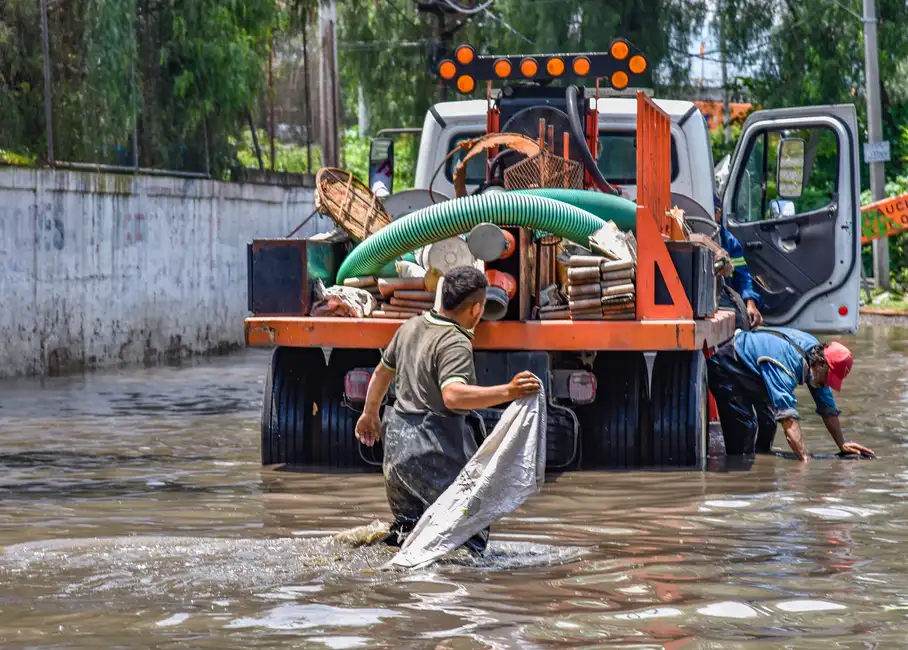
Workers wading through floodwaters near a truck, managing a city crisis after heavy rain.
Licensed Licensed & Bonded
Fully Insured Insured & Bonded
24/7 Emergency Same-Day Response
Warranty Backed Workmanship Guaranteed

What Our Water Extraction Service Includes

Every emergency water extraction job includes the core work needed to get your structure dry: inspection, extraction, drying setup, and daily monitoring. Add-ons like carpet replacement, drywall repair, and mold remediation are quoted separately once we know the scope. Here's what's standard.

Moisture Inspection and Mapping

We walk the affected area with a thermal imaging camera and moisture meter, check wall cavities with a boroscope when needed, and map the wet zone. You get a clear picture of what's affected before any equipment is staged.
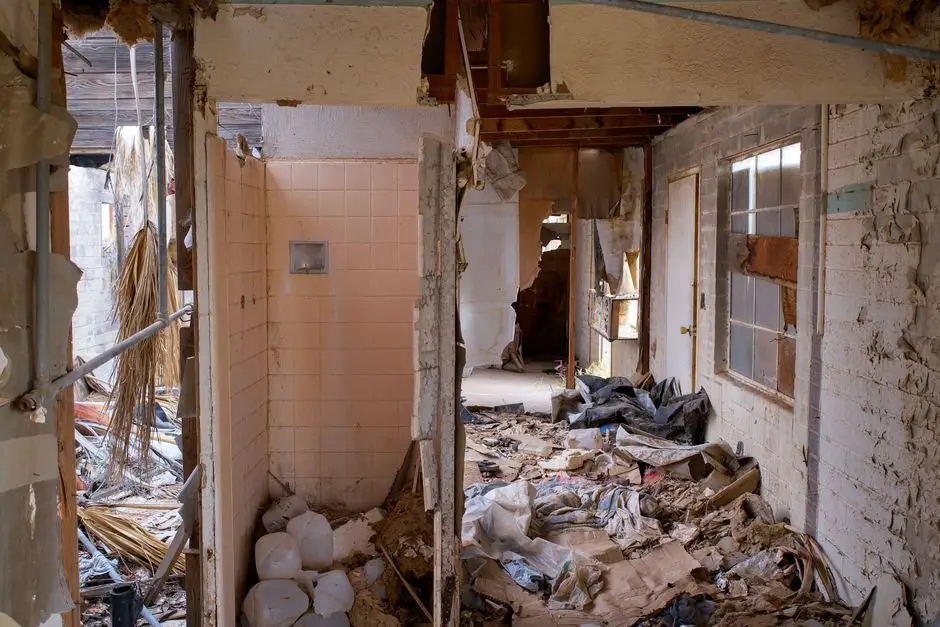
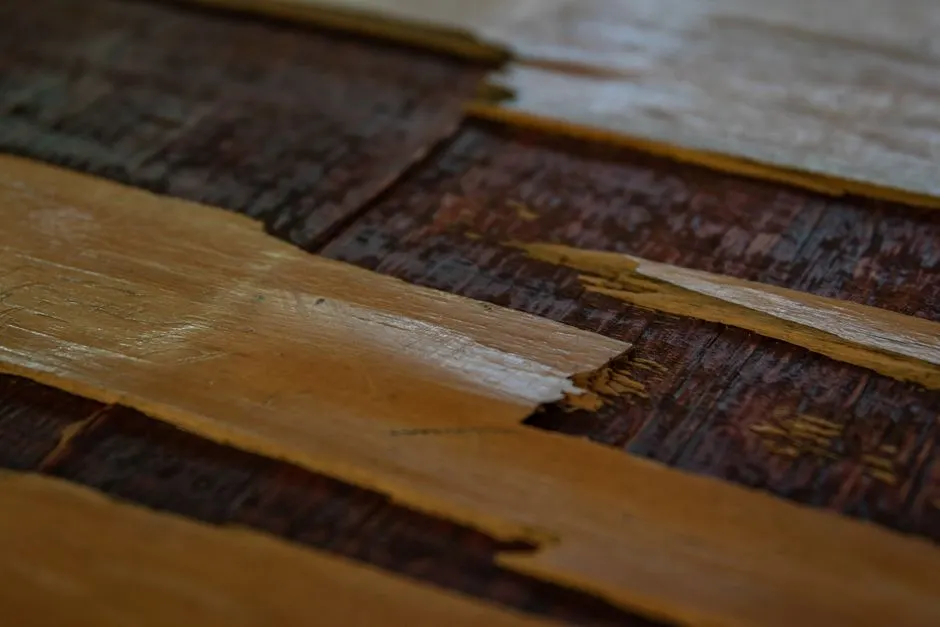
Standing Water Extraction

Truck-mounted water extractors handle large volumes fast, while portable water pumps and wet/dry vacuums get into crawl spaces and tight corners. Absorbent pads and drain hoses manage the residual water.

Antimicrobial Application

Affected framing, subfloor, and wall plates get treated with antimicrobial solutions to slow mold growth while the structure dries. Category 3 sewage jobs get full containment and PPE before treatment.

Drying Equipment Setup

Air movers and dehumidifiers are positioned based on the moisture map, with plastic sheeting and vapor barrier used to contain the drying zone. We use Dri-Eaz and Phoenix Restoration Equipment units built for continuous runtime.

Daily Monitoring and Documentation

We return each day to log hygrometer and moisture meter readings, adjust equipment placement, and photograph progress. When readings match the dry standard, we pull equipment and give you the final report.

Insurance Scope and Photos

Every affected room is photographed, readings are logged, and the scope is written in Xactimate. Your adjuster gets a file that matches the work performed, which speeds up claim decisions.

What Emergency Water Extraction in Ohio Actually Involves


Emergency Water Extraction in Ohio is the process of removing standing water from a structure fast enough to stop secondary damage. We start with moisture mapping using a thermal imaging camera and pin-type moisture meter to find the water you can't see behind drywall and under flooring. Then we run a truck-mounted water extractor for the bulk of the water and switch to a portable water pump in tight crawl spaces or finished basements. Every job ends with drying equipment staged and monitored until readings match a dry standard.

Ohio homes take on water in predictable ways. Frozen pipes crack behind kitchen cabinets in January, sump pumps fail during spring storms, and sewage backs up through floor drains in older neighborhoods. We handle all of it, from flooded basements in Ohio to storm-driven water pushing through block foundations. If you're searching for affordable Emergency Water Extraction services in Ohio, the real cost driver is how fast the water comes out and how dry we get the structure before mold has a chance to colonize.

How Our Water Extraction Process Works

From the first call to the final moisture check, here's exactly what happens when you hire us for water extraction in Ohio.

01

Schedule

Call or book online — a real human picks up and confirms a 2-hour arrival window.

02

Diagnose

Licensed tech inspects on-site, then walks you through the cause and your options.

03

Fix

The job is completed to code and done right the first time — no shortcuts, no surprises.

04

Guarantee

Every job backed by a written workmanship warranty — and we stand behind it.

Equipment and Methods We Use

Tools & Equipment

Truck-Mounted Water Extractor

Pulls large volumes of standing water fast on residential and commercial jobs. It's the first tool on site for basement flooding and storm intrusion.

Portable Water Pump

Gets into crawl spaces, tight utility rooms, and areas a truck mount can't reach. Pairs with a drain hose to move water outside.

Thermal Imaging Camera

Finds hidden moisture behind walls, under floors, and in ceiling cavities before it becomes a mold problem.

Moisture Meter and Hygrometer

Measures moisture content in building materials and relative humidity in the air. These readings decide when drying is actually finished.

Boroscope Camera

Inspects closed wall and ceiling cavities without full demolition. Confirms whether a cavity is dry before we close it up.

Dri-Eaz and Phoenix Restoration Equipment

Air movers and dehumidifiers built for continuous runtime. We stage these based on the moisture map, not a one-size-fits-all layout.

Methods & Standards

IICRC S500 Water Damage Standard

The industry standard for water damage restoration. It defines water categories, drying goals, and documentation requirements. We follow it on every job, which is why our moisture readings and scope hold up with carriers.

Moisture Mapping and Dry Standard Comparison

We map the affected area with a thermal camera and moisture meter, then compare readings against a dry standard for the specific materials in your home. Drying isn't finished until the numbers match.

Containment and Vapor Barrier

Plastic sheeting and vapor barrier keep the drying zone contained so we're not pulling humidity from the rest of the house. On Category 3 jobs, containment also keeps contaminants from spreading.

Xactimate Scope Documentation

We write the scope in Xactimate, the estimating platform most carriers use. Photos, moisture readings, and line items are all in the file, which means fewer questions and faster claim decisions.

When to Call for Water Extraction

01

You wake up at 2 a.m. to the sound of running water and find a burst pipe spraying in the basement.

What we do: Call us immediately. We dispatch 24/7 and will walk you through shutting off the main while a crew is en route. On arrival we stop the source, extract standing water, and set drying equipment the same night.

→ Water is out within hours instead of sitting until morning, which is the difference between drying the framing and replacing it.

02

A spring storm dumps three inches of rain and your sump pump can't keep up with the inflow.

What we do: We pump the basement out, check the sump pit and drain tile, and dry the affected walls and floor. If the pump failed, we note it in the documentation so your claim reflects the cause.

→ A dry basement and a documented cause of loss, which matters when the adjuster reviews the claim.

03

You come home from a weekend trip and the water heater let go, leaving an inch of water across the utility room and hallway.

What we do: We extract the standing water, pull saturated flooring, and dry the subfloor and adjacent wall cavities. A moisture meter confirms the dry standard before we pull equipment.

→ No warped subfloor, no mold smell, and a documented scope for the insurance claim.

04

Sewage backs up through a basement floor drain after heavy rain overwhelms the municipal line.

What we do: We treat it as Category 3, contain the area, remove contaminated materials, apply antimicrobial solutions, and dry the structure under Ohio Department of Health protocols.

→ A sanitized, dry space that's safe to use again, with disposal and treatment documented for your carrier.

How Water Extraction Runs in Ohio

Ohio's climate drives the water damage calls we get. Winter brings frozen pipes and ice dams, especially in older homes with uninsulated exterior walls. Spring and summer bring heavy storms that overwhelm sump pumps and push water through block foundations. Fall is when we see the most crawl space moisture calls, because the ground stays wet longer than the air does. Building stock matters too. Century-old homes in Alliance and Ironton have stone or brick foundations that hold moisture differently than a poured-wall basement in a newer subdivision. We adjust drying setups based on what the structure is made of, not a template. If you need urgent water removal in Ohio for sewage backup, we follow Ohio Department of Health protocols for contaminated water, including containment, PPE, and proper disposal. And for flooded basements in Ohio, the first question is always whether the water is clean, gray, or sewage, because that decides what comes out and what gets dried in place. We carry the equipment for all three categories on every truck.

Neighborhoods We Serve

  • Downtown Alliance

    Older brick and stone foundations hold moisture longer than poured concrete. We extend drying time and check wall cavities with a moisture meter before pulling equipment.

  • Bellefontaine's West Side

    Many homes here have full basements with block walls. Sump failures during spring storms are common, so we check the pit and drain tile while we're on site.

  • Conneaut's Lakefront

    Lake-effect weather and high water tables mean crawl spaces stay damp. We use vapor barrier and targeted airflow to dry joists and subfloor after extraction.

  • Ironton's Hillside

    Sloped lots push storm water toward foundations. We see more storm-driven intrusion here and often need to check drainage paths while drying the interior.

  • New Philadelphia's Historic District

    Pre-1950 homes often have original hardwood and plaster, which dry slower than modern materials. We adjust equipment placement and monitoring frequency accordingly.

Local Conditions We Plan For

  • Frozen pipes in unheated crawl spaces and exterior walls

    Burst lines behind walls release water into cavities you can't see. We use thermal imaging and a boroscope to find the wet zone before it spreads.

  • Spring storms that overwhelm sump pumps and drain tile

    Basements fill fast, sometimes within an hour. Truck-mounted extractors and portable pumps handle the volume, and we check the sump system while we're there.

  • High water tables near Lake Erie and the Ohio River

    Crawl spaces and basements stay damp longer after extraction. We extend drying time and use vapor barrier to keep ground moisture from re-wetting the structure.

  • Aging municipal sewer lines that back up during heavy rain

    Sewage backup is Category 3 water and needs containment, removal of porous materials, and antimicrobial treatment before drying.

Burst Pipe in an Alliance Basement

Before

A supply line froze and split behind a finished wall in January. Water ran for hours before the homeowner woke up, soaking carpet, pad, and the bottom two feet of drywall across two rooms.

After

We extracted 40 gallons with a truck-mounted unit, removed saturated carpet and pad, and cut the drywall to the flood line. Drying equipment ran for four days. Final moisture readings matched the dry standard in every cavity.

Maintenance: Keep the basement above 55 degrees in winter and insulate exterior supply lines. A $20 pipe wrap prevents a $4,000 repair.

Before

Heavy rain overwhelmed the municipal line and sewage backed up through a floor drain, spreading across a finished basement. Carpet, pad, and the bottom of the drywall were contaminated.

After

We contained the area, removed all porous materials, applied antimicrobial solutions, and dried the remaining structure over five days. Disposal followed Ohio Department of Health guidelines and the claim was documented in Xactimate.

Maintenance: Have a backflow preventer installed on the floor drain if your neighborhood has a history of backups. It's a small plumbing job that stops a big mess.

Before

A spring storm dropped three inches of rain in two hours and the sump pump failed. The basement took on six inches of water, saturating block walls and the furnace platform.

After

We pumped the water out, pulled wet insulation, and dried the block walls with air movers and dehumidifiers for five days. The furnace was inspected before we pulled equipment, and moisture readings confirmed the walls were dry.

Maintenance: Test your sump pump every spring by pouring a bucket of water into the pit. Replace the battery backup every three years.

Water Problems We Solve for Ohio Homes

Most water damage calls fall into a handful of categories. Here's what we see most often and how we handle each one.

Problem

Flooded basement after a heavy spring storm

Standing water wicks up drywall, saturates carpet and pad, and pushes indoor humidity above 60 percent within a day, which is prime mold territory.

Our Fix

We pump the standing water out with a truck-mounted extractor, pull saturated carpet and pad, and dry the block or poured walls with air movers and dehumidifiers. Vapor barrier work follows once the walls hit the dry standard.

Problem

Burst pipe behind a wall or under a slab

Water travels along the path of least resistance, so a burst line in one room can soak the ceiling below and the subfloor two rooms over before you see it.

Our Fix

We shut off the source, open the wall or ceiling where needed, and extract trapped water. A boroscope camera confirms the cavity is dry before we close anything up. Drying equipment runs until moisture meter readings match the dry standard.

Problem

Sewage backup through a floor drain

Category 3 water carries bacteria and pathogens. Anything porous it touches, including drywall, carpet, and insulation, has to come out rather than dry in place.

Our Fix

We contain the area, remove contaminated materials, apply antimicrobial solutions, and dry the remaining structure. Disposal follows Ohio Department of Health guidelines, and we document everything for your insurance claim.

Problem

Ceiling leak from a frozen pipe upstairs

Water pools in the ceiling cavity, sags the drywall, and drips into the room below. Left alone, the cavity stays wet and mold grows above the paint line.

Our Fix

We open the ceiling where needed, extract the trapped water, and dry the cavity with targeted airflow. Once readings are dry, the repair is structural rather than a fresh coat of paint over a wet problem.

Why Ohio Homeowners Call Us First

Why Ohio Homeowners Call Us First

Water damage gets worse by the hour. Here's what you get when you call our team instead of waiting until morning.

  • Same-Day Water Removal

    Most calls get a crew on site the same day, and after-hours calls get dispatched immediately. We pull the bulk of the water with a truck-mounted extractor in the first two to four hours, which is the window that decides whether your hardwood floors and baseboards survive.

  • Drying That Gets Verified

    We don't guess when the job is done. A hygrometer and moisture meter reading is taken at every affected wall cavity and compared against a dry standard for your specific materials. You get the numbers in writing, so you know the structure is actually dry and not just dry to the touch.

  • Mold Prevention Built In

    Mold can start colonizing wet drywall in 24 to 48 hours. We apply antimicrobial solutions to affected framing and use desiccant dehumidifiers to pull humidity down fast. If we find existing mold growth, we handle it under our Ohio Department of Health mold remediation license rather than leaving it for someone else.

  • Insurance Documentation Done Right

    We photograph every affected room, log moisture readings, and write the scope in Xactimate, the same estimating platform most carriers use. That means fewer back-and-forth calls and a claim file that supports the work that was actually necessary.

Licensed, Certified, and Documented

Licensed & Certified

  • IICRC WRT (Water Restoration Technician) — issued by Institute of Inspection, Cleaning and Restoration Certification
  • IICRC ASD (Applied Structural Drying) — issued by Institute of Inspection, Cleaning and Restoration Certification
  • IICRC AMRT (Applied Microbial Remediation Technician) — issued by Institute of Inspection, Cleaning and Restoration Certification
  • Ohio Department of Health Mold Remediation License — issued by Ohio Department of Health
  • EPA Lead-Safe Certified Firm — issued by U.S. Environmental Protection Agency

Verified Reviews

Google ★★★★★4.9

Called at 6 a.m. with a flooded basement in Alliance. Crew was here by 7:15, water was out by 9, and drying equipment was running before noon. They came back every day to check readings and showed me the numbers. No mold, no surprises on the bill.

BBB ★★★★★4.8

We had a sewage backup in New Philadelphia that was a nightmare. The team contained it, removed the contaminated flooring, and treated everything before drying. Documentation was thorough and the insurance claim went through without a fight.

Google ★★★★★5.0

Sump pump failed during a storm in Bellefontaine and the basement was full. They pumped it out, pulled the wet carpet, and set up dehumidifiers for four days. Explained why block walls take longer to dry. Honest work, fair price.

Yelp ★★★★★4.7

Frozen pipe burst behind a kitchen wall in Conneaut. They found the wet cavity with a thermal camera, extracted the water, and dried it out without tearing out more than they had to. Professional from start to finish.

Water Extraction Experience You Can Verify

Our technicians hold IICRC WRT (Water Restoration Technician) and IICRC ASD (Applied Structural Drying) certifications, which means they've been trained on the science of how water moves through building assemblies, not just how to run a shop vac. We also carry IICRC AMRT for mold remediation work and maintain OSHA 10 and EPA Lead-Safe credentials for pre-1978 housing. Every job is documented with moisture readings and photos, and we write our scopes in Xactimate so your adjuster sees the same numbers we do. When a frozen pipe or a failed sump pump floods your basement, you want a crew that knows the difference between surface-dry and structurally dry.

  • IICRC WRT and ASD certified technicians on every water extraction crew.
  • Ohio Department of Health mold remediation license for affected framing and cavity work.
  • OSHA 10 and EPA Lead-Safe credentials for safe work in older Ohio housing stock.
  • Thermal imaging, boroscope, and hygrometer readings logged on every job.
  • Xactimate scopes written to carrier standards for cleaner claim approvals.
Get Started Today
Water Extraction Experience You Can Verify

What Ohio Customers Say

Real experiences from customers who chose our Emergency Water Extraction services.

“A pipe froze behind our kitchen wall in January and we woke up to an inch of water across the whole first floor. The crew was here in under an hour, pulled the water with a truck-mounted unit, and had drying equipment running before lunch. They came back every day to check readings and showed me the numbers. No mold, no warped floors.”

D

Dana R.

Homeowner, Alliance

“We had a sewage backup in a rental duplex that was about as bad as it gets. The team contained it, removed the contaminated flooring, and treated everything with antimicrobial before drying. They documented the whole thing in Xactimate and the insurance claim went through without a fight. That's rare.”

M

Marcus T.

Property Manager, New Philadelphia

“Our sump pump failed during a spring storm and the basement was full. They pumped it out, pulled the wet carpet, and set up dehumidifiers for four days. The technician explained why the block walls take longer to dry and checked them with a moisture meter each visit. Honest work, fair price.”

K

Karen L.

Homeowner, Bellefontaine

Frequently Asked Questions About Water Extraction in Ohio

Real answers to the questions we hear most often from local homeowners and property managers.

How much does Emergency Water Extraction cost in Ohio?
Most residential water extraction jobs in Ohio run $450 to $1,800 for extraction and drying setup, with full drying packages landing between $1,500 and $4,500 depending on square footage and materials. Category 3 sewage jobs cost more because of containment and disposal. Typical 2026 pricing in this area reflects equipment runtime, how many rooms are affected, and whether flooring has to come up.
Who offers urgent water removal in Ohio?
Water Damage Restoration Pros Ohio offers urgent water removal in Ohio with 24/7 dispatch and same-day crews across the state. We handle flooded basements, burst pipes, sewage backup, and storm-driven water intrusion. Call (123) 456-7890 and describe what's wet. We'll tell you what to shut off, what to move, and when a crew will be there.
How fast can you extract water in Ohio?
Standing water is usually gone within one to three hours of arrival on a standard residential job. Dispatch is typically within the hour for emergency calls. Full structural drying takes three to five days after extraction, depending on materials and how long the water sat before you called. The faster we extract, the shorter the drying window.
Does insurance cover urgent water removal in Ohio?
Most homeowner policies cover sudden and accidental water damage, including burst pipes and storm-driven intrusion, which means extraction and drying are typically covered. Maintenance-related seepage and long-term leaks are often excluded. We document with photos, moisture readings, and an Xactimate scope so your adjuster has what they need to process the claim.

Related Water Damage Services

Flood Damage Cleanup

When storm water or a rising creek pushes into your home, flood damage cleanup picks up where extraction leaves off. We remove contaminated materials, sanitize affected surfaces, and dry the structure so you're not left with a mold problem two weeks later.

View Flood Damage Cleanup

Basement Flood Cleanup

Finished and unfinished basements take on water differently. We pump out standing water, pull saturated carpet and pad, and dry block or poured walls with air movers and dehumidifiers staged to handle the higher humidity a below-grade space holds.

View Basement Flood Cleanup

Burst Pipe Water Cleanup

A burst supply line can dump hundreds of gallons before you notice. We shut off the source, extract the water, and dry the wall cavities and subfloor where the pipe failed. Ceiling leaks from upstairs lines get opened up and dried rather than painted over.

View Burst Pipe Water Cleanup

Sewage Backup Cleanup

Sewage backup is Category 3 water and needs containment, PPE, and antimicrobial treatment before drying. We remove contaminated materials, dispose of them properly, and sanitize the affected area so the space is safe to use again.

View Sewage Backup Cleanup

Storm Damage Water Removal

After a storm pushes water through your roof, windows, or foundation, we tarp what needs tarping, extract what's standing, and dry the structure. Wind-driven rain and sump failures during heavy storms are two of our most common Ohio calls.

View Storm Damage Water Removal

Structural Drying and Dehumidification

Extraction gets the water out. Drying gets the moisture out of the framing, subfloor, and drywall. We stage air movers and dehumidifiers, monitor with moisture meters daily, and don't pull equipment until readings hit the dry standard.

View Structural Drying and Dehumidification

Call Now for Emergency Water Extraction in Ohio

Water spreads fast and mold follows within 48 hours. Our crews are dispatched 24/7, licensed and insured, and equipped to extract and dry the same day. Call (123) 456-7890 and we'll tell you exactly what to do while we're on the way.

Call (123) 456-7890 Get Emergency Help

Contact Our Ohio Team

Call our 24/7 dispatch line and a live person answers, not a machine. We schedule emergency crews around the clock and routine inspections during business hours. Whether you are in Cleveland, Columbus, Cincinnati, or a small town in between, we will get a technician moving to your address and keep you posted on the ETA.

Or call us right now at (123) 456-7890 — we answer.

Water Damage Restoration Pros Ohio


  • Address

    Ohio

  • Hours

    Mon–Fri: 7AM – 7PM
    Sat: 8AM – 4PM
    Sun: Emergency Only
    24/7 Emergency Available

Call (123) 456-7890 Get Quote
Call Quote