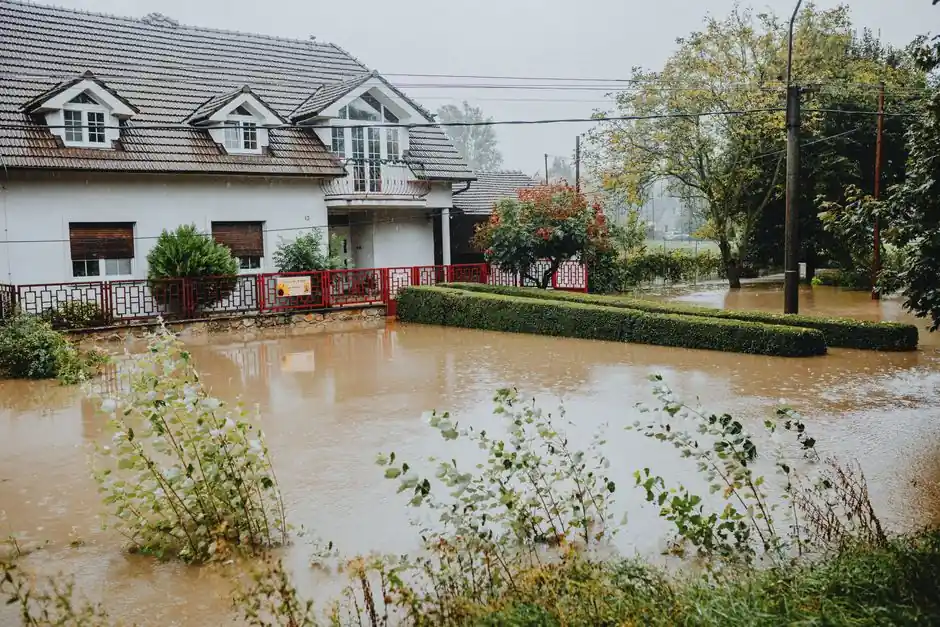
Emergency Water Extraction
Truck-mounted extractors and portable pumps remove standing water from basements, crawl spaces, and living areas. We pull water fast to limit how far it wicks into walls and floors.
Every flood job is different, but our standard flood cleanup scope covers the work that gets your Ohio property dry and safe. If your job needs something beyond this, we tell you before we start and price it upfront.
Truck-mounted extractors and portable pumps remove standing water from basements, crawl spaces, and living areas. We pull water fast to limit how far it wicks into walls and floors.
We use moisture meters, thermal imaging cameras, and boroscope cameras to find hidden water behind walls and under floors. This tells us exactly what needs drying and what can be saved.
Air movers and dehumidifiers run continuously until the structure reaches a dry standard. We check readings daily and keep equipment in place until the numbers pass.
After extraction, we apply antimicrobial solutions to affected framing and cavities to prevent mold growth. If mold is already present, we follow Ohio Department of Health remediation guidelines.
Photos, moisture logs, and an Xactimate-compatible scope go to your adjuster. We work directly with insurance companies to support your claim and reduce delays.
Flood Damage Cleanup in Ohio is the process of extracting standing water, drying structural materials, and sanitizing a building after a flood, burst pipe, or sewage backup. It is not a shop vac and a fan. We use truck-mounted water extractors, moisture meters, and thermal imaging cameras to map where water traveled behind drywall and under flooring. Then we dry it to IICRC standards so the structure does not rot or grow mold weeks later.
Ohio homes deal with flooding from every direction. Basement flooding after a heavy rain, frozen pipes that split in a cold snap, and sewage backup when the municipal line surcharges are all common calls. Older housing stock in towns like Amherst and Berea often has cast iron drains and stone foundations that let water in fast. If you need flood cleanup services in Ohio after storms, we handle the extraction, drying, and documentation in one visit.
You will know what is happening at every stage. Here is the sequence we follow on a typical flood damage job in Ohio, from the first phone call to the final moisture reading.
Schedule
Call or book online — a real human picks up and confirms a 2-hour arrival window.
Diagnose
Licensed tech inspects on-site, then walks you through the cause and your options.
Fix
The job is completed to code and done right the first time — no shortcuts, no surprises.
Guarantee
Every job backed by a written workmanship warranty — and we stand behind it.
Truck-Mounted Water Extractor
Pulls hundreds of gallons of standing water from basements and floors fast, far more than a portable shop vac can handle.
Thermal Imaging Camera
Finds hidden moisture behind walls and under floors by reading temperature differences, so we do not miss water that is out of sight.
Moisture Meter and Hygrometer
Gives us daily readings on how wet materials are and when they have reached a dry standard. We do not guess when a room is dry.
Dri-Eaz and Phoenix Air Movers
High-velocity air movers evaporate moisture from surfaces while dehumidifiers pull it out of the air. These run continuously until readings pass.
Boroscope Camera
Lets us look inside wall cavities and under floors without tearing everything open, so we can target drying where it is needed.
Antimicrobial Solutions and Desiccant
Antimicrobials prevent mold growth on framing after extraction. Desiccant dehumidifiers pull moisture from the air in cool, damp spaces like crawl spaces.
IICRC S500 Drying Standard
We follow the IICRC S500 standard for water damage restoration, which sets the drying goals and verification steps for every job. That means we dry to a measurable standard, not by feel.
Category-Based Water Classification
We classify water as category 1, 2, or 3 before we start. Clean water, gray water, and sewage each require different handling, and category 3 water means removing contaminated materials rather than drying them in place.
Daily Moisture Monitoring
We take readings every day and adjust equipment placement based on the numbers. If a wall cavity is still wet, the equipment stays. If it has reached a dry standard, we remove it and document the result.
Xactimate Documentation
We write scopes in Xactimate, the same software most insurance adjusters use. That makes your claim easier to process and reduces back-and-forth over what was damaged and what it costs to fix.
01
What we do: We arrive with truck-mounted extractors, pull the water, remove wet carpet and pad, and set drying equipment. We check the sump and discharge line so you know why it failed.
→ Basement is dry in four to five days, and you have a moisture report for insurance.
02
What we do: We shut down the water, extract from the affected rooms, and use thermal imaging to find hidden moisture in the walls. We dry the unit and document everything for the property owner and adjuster.
→ Tenant can return in under a week, and the claim is fully documented.
03
What we do: We remove contaminated materials, sanitize the area with antimicrobial solutions, and dry the structure to a safe standard. We coordinate with your insurance and keep the business informed.
→ Space is safe to reopen in five to seven days with full documentation.
04
What we do: We tarp the roof, extract water from the ceiling cavity, and dry the joists and drywall. We replace insulation and any ceiling materials that cannot be saved.
→ Ceiling is repaired and dry, and the storm damage is documented for your claim.
Ohio flooding follows the seasons. Spring brings heavy rain and sump pump failures, especially in low-lying neighborhoods near rivers and creeks. Winter brings frozen pipes that split and dump water into walls and ceilings. Summer storms push water through roofs and windows. We plan for all of it. Our crews carry the same extraction and drying equipment statewide, and we follow Ohio Department of Health mold remediation rules on every job where mold is present. Older Ohio housing stock, especially pre-1978 homes, gets EPA Lead-Safe handling when we remove materials. Whether you need affordable Flood Damage Cleanup in Ohio for a single flooded room or a full commercial dry-out, we scope the job the same way: find the water, extract it, dry to a number, and document it.
Downtown Amherst
Older homes with stone foundations and cast iron drains that let water in during heavy rain. We check foundation seepage and sump discharge lines on every call.
Berea's Baldwin Wallace area
Mix of older rental housing and student properties where a burst pipe can go unnoticed for days. We document everything for landlords and out-of-town owners.
Defiance riverfront
Properties near the Maumee River see higher water tables and spring flooding. We watch crawl spaces and basements closely in this area.
Niles commercial district
Older commercial buildings with flat roofs and basement mechanical rooms. Storm water and roof leaks are common calls here.
Freeze-thaw cycles in January and February
Pipes in exterior walls and unheated crawl spaces split when temperatures drop below 20 degrees. We see a spike in burst pipe calls during cold snaps and prioritize those jobs for same-day response.
Heavy spring rain and high water tables
Sump pumps run constantly and can fail under the load. Basements flood fast. We keep extra extraction equipment staged during spring storm season to handle the volume.
Aging housing stock with original plumbing
Cast iron drains and galvanized supply lines in older Ohio homes are more prone to leaks and backups. We handle these materials carefully and check for related issues while we are on-site.
Flooding is not just water on the floor. It is the mold behind the baseboard, the warped subfloor, and the claim that gets denied because nobody documented the damage. We solve the whole problem, not just the visible part.
Problem
Water wicks into drywall and insulation within hours, and mold can start growing in 24 to 48 hours. The longer it sits, the more materials have to be replaced.
Our Fix
We extract standing water, remove damaged materials, and dry the basement to a verified standard. We also check the sump pump and foundation for the source so it does not happen again.
Problem
A split pipe can release hundreds of gallons before you find the shutoff. Ceiling leaks and wall cavities hold water that a shop vac cannot reach.
Our Fix
We shut down the source, extract water, and use thermal imaging to find hidden moisture in walls and ceilings. We dry the structure and flag the pipe run so it can be insulated before the next freeze.
Problem
Sewage is category 3 water and carries bacteria. Porous materials like carpet and drywall cannot be saved and must be removed to prevent illness and mold.
Our Fix
We remove and dispose of contaminated materials, sanitize the remaining structure with antimicrobial solutions, and dry the space to a safe standard. We document everything for insurance.
Problem
Water travels along ceiling joists and drips far from the original leak. Insulation gets soaked and loses R-value, and ceiling drywall sags.
Our Fix
We tarp the roof if needed, extract water, and dry the ceiling cavity with air movers. We replace insulation and drywall that cannot be saved and document the storm damage for your claim.
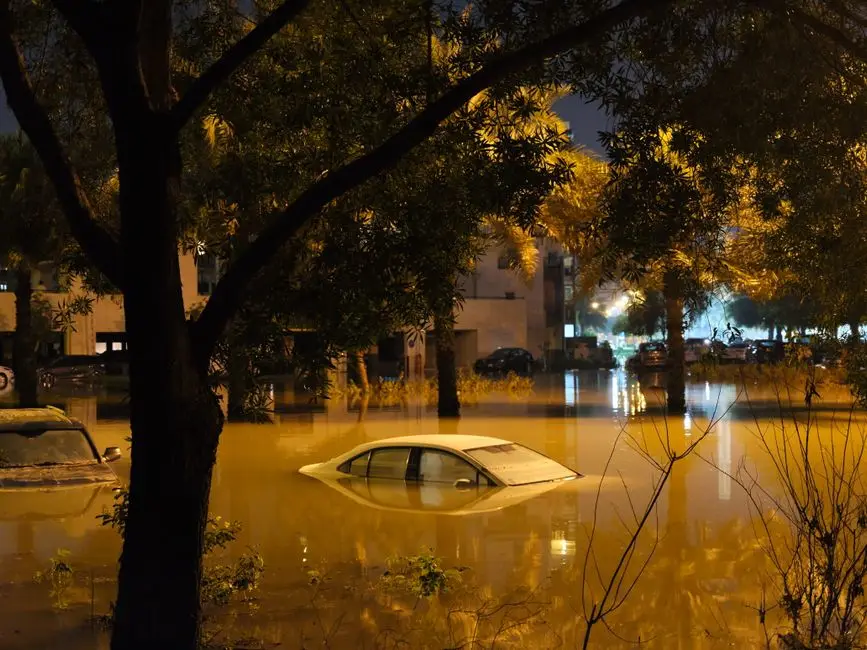
Flooding gets worse by the hour. Every hour water sits, it wicks higher into drywall, warps floors, and feeds mold. We move fast, dry to a verified standard, and give you paperwork your adjuster can use.
Same-Day Water Extraction
Most crews are on-site within 60 to 90 minutes of your call across our Ohio service area. Truck-mounted extractors pull hundreds of gallons fast, so your basement is not sitting under two inches of water while you wait for a callback.
Drying Verified by Meter
We do not guess when a room is dry. Moisture meters and hygrometers give us daily readings, and we keep drying until the numbers match a dry standard. That is how we prevent mold growth and callbacks.
Insurance-Ready Documentation
Photos, moisture logs, and an Xactimate-compatible scope go to your adjuster. That paperwork is often the difference between a covered claim and a fight. We have done this thousands of times for Ohio homeowners.
Mold Prevention Built In
We apply antimicrobial solutions to affected framing and cavities after extraction. If mold is already visible, we follow Ohio Department of Health mold remediation guidelines so the cleanup is done to a licensed standard, not just wiped down.
Google ★★★★★4.9
Called at 11 p.m. after our basement flooded. A technician was at the house in about an hour. They pulled the water, set up drying equipment, and checked readings every day. The report went straight to our insurance and the claim was approved without a fight.
Google ★★★★★4.8
A pipe burst in our rental over the weekend. The crew handled everything, from extraction to drying to documentation. The tenant was back in the unit in under a week. I manage several properties and will use them again.
BBB ★★★★★4.9
Sewage backed up into our finished basement. They removed the contaminated carpet and drywall, sanitized everything, and dried the space. They explained each step and did not leave until the moisture readings were normal. No mold, no smell.
Our technicians hold IICRC WRT and ASD certifications, and several carry AMRT for mold work. We follow OSHA 10 safety practices on every job and EPA Lead-Safe protocols when working in pre-1978 Ohio housing. We have dried everything from single-room ceiling leaks to whole-basement floods in towns like Niles and Defiance. That range matters because no two floods behave the same way.
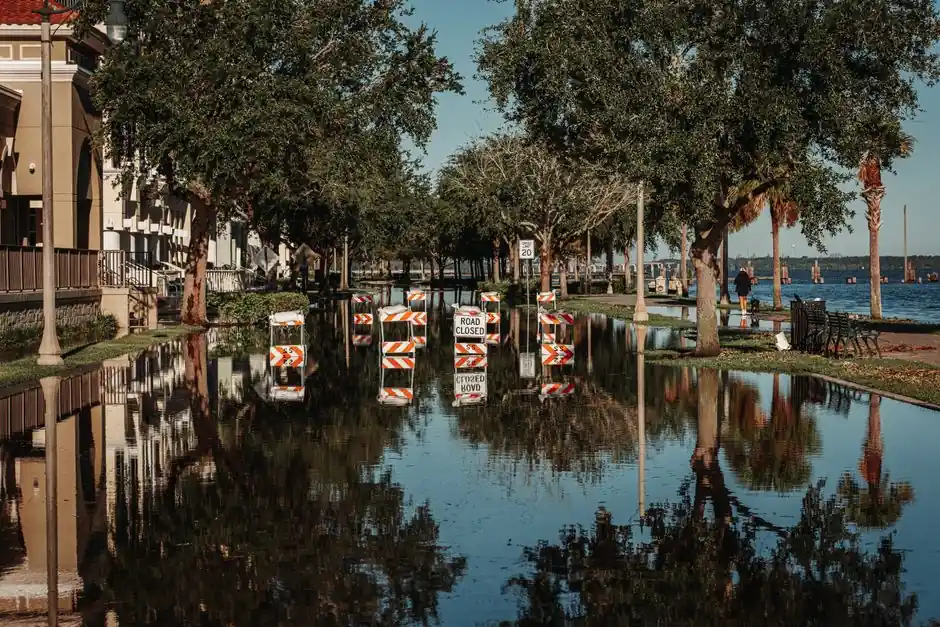
We deliver flood cleanup services Ohio-wide, from the Lake Erie shoreline to the Ohio River. Our crews know the local housing stock, the common flood sources, and the code requirements in each area. Here are a few of the Ohio cities we serve regularly.
Older homes with stone foundations and cast iron drains flood easily in heavy rain. We extract, dry, and check sump systems in Amherst basements.
Rental housing and student properties near Baldwin Wallace see burst pipes and unnoticed leaks. We document everything for landlords and out-of-town owners in Berea.
Properties near the Maumee River deal with high water tables and spring flooding. We watch crawl spaces and basements closely on Defiance calls.
Storm damage and roof leaks are common in London after summer storms. We tarp, extract, and dry ceilings and walls before mold starts.
Older commercial buildings in Niles see flat roof leaks and basement flooding. We handle both residential and commercial flood cleanup in Niles.
Real experiences from customers who chose our Flood Damage Cleanup services.
“Our sump pump quit during a storm and we had four inches in the basement. The crew arrived in about an hour, pulled the water, and set drying equipment the same night. They checked moisture every day and showed me the readings. Five days later the basement was dry and the report went straight to our insurance.”
Dana R.
Homeowner, Amherst
“A pipe burst in one of our units over a holiday weekend. I called and a technician was on-site within 90 minutes. They extracted the water, removed the wet carpet, and dried the unit in four days. The documentation made the insurance claim painless. I have used them twice since.”
Marcus T.
Property Manager, Berea
“Sewage backed up into our finished basement after heavy rain. The crew removed the contaminated carpet and drywall, sanitized everything, and dried the space. They explained each step and did not leave until the moisture readings were normal. The basement is back to normal and no mold.”
Karen L.
Homeowner, Niles
Real answers to the questions we hear most often from local homeowners and property managers.
Standing water comes out first. Our truck-mounted extractors pull hundreds of gallons from basements and first floors fast, limiting how far water wicks into walls and floors before drying begins.
View Emergency Water ExtractionOhio basements flood from sump failures, foundation seepage, and sewer surcharge. We extract, remove damaged materials, dry the space, and check for mold growth in the joists and lower wall cavities.
View Basement Flood CleanupA split pipe can dump hundreds of gallons before you notice. We shut down the source, extract, and dry the affected rooms. We also flag frozen pipe risks so the same line does not fail again next winter.
View Burst Pipe Water CleanupSewage is category 3 water and requires removal of contaminated porous materials. We bag and dispose of affected carpet, pad, and drywall, then sanitize and dry the remaining structure to a safe standard.
View Sewage Backup CleanupAfter a storm pushes water through a roof or window, we tarp, extract, and dry. We document storm-related damage for insurance and handle the water before it becomes a mold problem.
View Storm Damage Water RemovalExtraction is only half the job. We position air movers and dehumidifiers based on moisture readings, then monitor daily until the structure reaches a dry standard verified by meter.
View Structural Drying and DehumidificationCall our 24/7 dispatch line and a live person answers, not a machine. We schedule emergency crews around the clock and routine inspections during business hours. Whether you are in Cleveland, Columbus, Cincinnati, or a small town in between, we will get a technician moving to your address and keep you posted on the ETA.
Phone
(123) 456-7890Address
Ohio
Hours
Mon–Fri: 7AM – 7PM
Sat: 8AM – 4PM
Sun: Emergency Only
24/7 Emergency Available