Water Damage Restoration Pros Ohio
Get Estimate

Structural Drying and Dehumidification in Ohio That Stops Mold Cold

Truck-mounted extraction, industrial air movers, and daily moisture readings until your structure is dry


Structural Drying and Dehumidification in Ohio is the controlled removal of trapped moisture from framing, drywall, subfloor and crawl spaces after a leak, flood or burst pipe. We handle it for homeowners, landlords and property managers statewide, from Barberton basements to Painesville crawl spaces. Water that sits past 48 hours starts feeding mold, so we dry it out before that clock runs out.

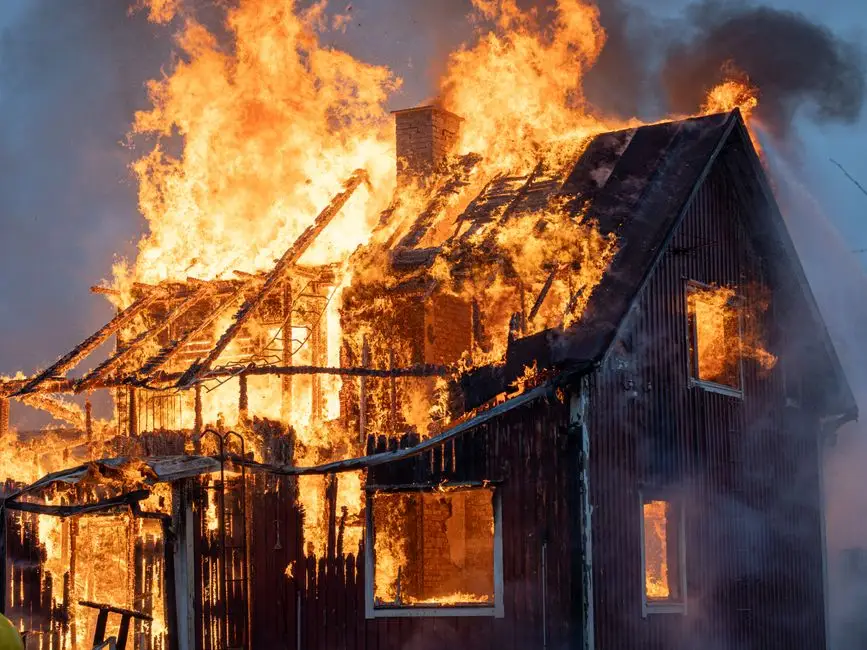
A house consumed by intense flames and smoke, capturing the power of fire.
Licensed Licensed & Bonded
Fully Insured Insured & Bonded
24/7 Emergency Same-Day Response
Warranty Backed Workmanship Guaranteed

What Our Structural Drying Service Includes

Every job includes the full dry-down: extraction, moisture mapping, equipment setup, daily monitoring and final verification. If your loss needs mold remediation, sewage disinfection or reconstruction, we handle that too and tell you upfront what it adds.

Moisture Mapping and Documentation

We use moisture meters, thermal imaging cameras and boroscope cameras to find hidden water behind walls, under floors and inside cavities. You get a written map of wet zones plus photos, which your insurance adjuster can use directly.
Water Extraction

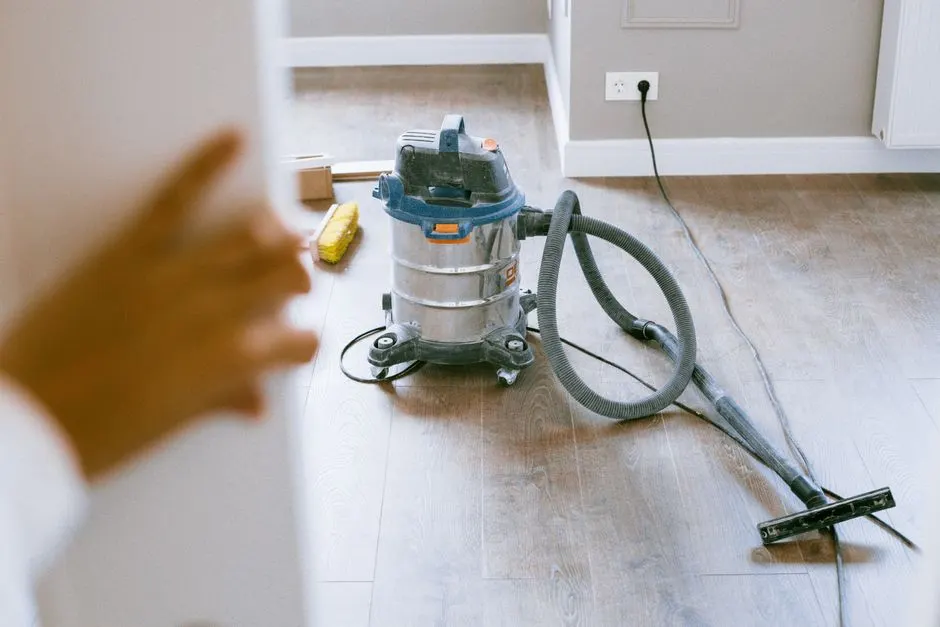
Truck-mounted water extractors and portable water pumps pull standing water out of basements, crawl spaces and rooms. We also use wet/dry vacuums for tight spots. Extraction first means drying equipment is not fighting a puddle.

Air Movers and Dehumidifiers

We place air movers to evaporate moisture off surfaces and dehumidifiers to capture it from the air. Desiccant units handle deep moisture in framing and tight cavities. Placement is based on the moisture map, not a fixed formula.

Antimicrobial Treatment

Wet framing and subfloor get treated with antimicrobial solutions to slow mold growth while drying is underway. This is not a substitute for full mold remediation, but it buys time and protects the structure during the dry-down.

Daily Moisture Monitoring

A technician reads and logs moisture levels every day, adjusts equipment as needed, and leaves you a short update. The job ends when readings hit dry standard for each material, not on a fixed calendar.

Final Verification and Report

We take final photos, record dry readings, and walk the space with you before packing up. You get the drying log and documentation for your records or your insurance claim. If anything still reads wet, equipment stays.

What Structural Drying and Dehumidification in Ohio Actually Involves


Structural Drying and Dehumidification in Ohio is the science of pulling moisture out of building materials, not just off the floor. We map the wet zone with a moisture meter and thermal imaging camera, then set air movers and dehumidifiers to evaporate and capture that water. Drywall, studs, subfloor and joists all hold water differently, so each material gets its own drying target. We log readings daily until the numbers match a dry standard.

Ohio homes get hit from every direction: frozen pipes that split in January, storm-driven water through basement windows in Cambridge and Galion, and sump pump failures during spring thaws. Crawl space moisture is the quiet one. It never floods your living room, but it rots joists and feeds mold for months. That is why we treat structural drying services in Ohio after flooding as a full-building job, not a carpet shampoo.

Our Structural Drying Process, Step by Step

You get a clear plan on day one: what we are drying, how long it should take, and what we check each day until it is done.

01

Schedule

Call or book online — a real human picks up and confirms a 2-hour arrival window.

02

Diagnose

Licensed tech inspects on-site, then walks you through the cause and your options.

03

Fix

The job is completed to code and done right the first time — no shortcuts, no surprises.

04

Guarantee

Every job backed by a written workmanship warranty — and we stand behind it.

Equipment and Methods We Use

Tools & Equipment

Truck-Mounted Water Extractor

Pulls large volumes of standing water out of basements and rooms fast, so drying equipment is not fighting a puddle.

Dri-Eaz and Phoenix Dehumidifiers

Capture moisture from the air after air movers evaporate it off wet surfaces. Desiccant units handle deep moisture in framing and tight cavities.

Thermal Imaging Camera

Finds hidden water behind walls, under floors and in ceilings without tearing everything open. Drives the moisture map.

Moisture Meter and Hygrometer

Reads moisture content in materials and relative humidity in the air. Daily readings tell us when the job is actually done.

Boroscope Camera

Looks inside wall cavities and crawl spaces to confirm water travel and check for hidden mold growth.

Air Movers

Push high-volume air across wet surfaces to speed evaporation. Placement follows the moisture map, not a fixed pattern.

Vapor Barrier and Plastic Sheeting

Blocks ground moisture in crawl spaces and contains the drying zone so humidity does not spread to dry areas.

Methods & Standards

IICRC S500 Standard

We follow the IICRC S500 standard for water damage restoration, which sets the drying goals, monitoring intervals and documentation requirements for each material class. It is the difference between drying a structure and hoping it is dry.

Psychrometric Monitoring

We track temperature, relative humidity and dew point daily to confirm the drying chamber is actually pulling water out of materials. If the numbers stall, we change equipment or airflow rather than waiting it out.

Containment and Zoning

Plastic sheeting and negative air keep the wet zone separate from dry areas so moisture does not migrate into unaffected rooms. This matters most in finished basements and multi-unit buildings.

Antimicrobial Application

We apply antimicrobial solutions to wet framing, subfloor and block walls during the dry-down to slow mold growth. It buys time while the structure dries and reduces the odds of a full mold remediation job.

When to Call for Structural Drying

01

A pipe bursts overnight and you wake up to an inch of water in the basement.

What we do: We extract the standing water with a truck-mounted unit, map how far moisture traveled into the walls and floor, and set air movers and dehumidifiers the same day. Daily readings track the dry-down.

→ Most basements like this dry in three to four days, and you avoid replacing the lower drywall and framing.

02

Storm water backs up through a floor drain in Maumee or Galion and soaks the finished basement.

What we do: We treat it as a contaminated loss: remove affected porous materials, disinfect with antimicrobial solutions, then run structural drying on the remaining structure. Insurance documentation is prepared as we go.

→ The structure dries to a verified standard, and your claim file has the photos and logs it needs.

03

You notice a musty smell in the crawl space and soft spots in the floor above.

What we do: We inspect with a moisture meter and boroscope camera, pump out any standing water, install a vapor barrier, and dry the joists with directed airflow.

→ The musty smell clears, the joists read dry, and the floor above stops feeling spongy.

04

A ceiling stain keeps growing after a roof leak you thought was fixed.

What we do: We open the ceiling, pull wet insulation, and dry the cavity from above and below. Thermal imaging confirms there is no hidden water left in the framing.

→ The ceiling structure dries without a full tear-out, and you can repair the drywall once readings are dry.

How Structural Drying Runs in Ohio

Ohio's climate swings hard. January cold snaps split pipes in unheated crawl spaces and garages, and spring thaws push groundwater into basements from Barberton to Painesville. Summer storms drive rain through window wells and roof penetrations. The building stock matters too: pre-1950 homes in older neighborhoods have plaster walls and stone foundations that hold water differently than modern drywall and poured concrete. We adjust drying targets by material, not by a single formula. If you need affordable Structural Drying and Dehumidification in Ohio for water damage, we give you a range before equipment goes down. We also work with Ohio Department of Health mold remediation licensing requirements when a job crosses from drying into mold cleanup.

Neighborhoods We Serve

  • Barberton

    Older housing stock with stone foundations and finished basements that hold moisture in block walls long after the floor looks dry.

  • Cambridge

    Hilly terrain pushes storm water toward basements and crawl spaces, so we see a lot of groundwater intrusion after heavy rain.

  • Galion

    Sump pump failures are common here during spring thaws, and finished basements need fast extraction before carpet and drywall wick water.

  • Maumee

    River-adjacent properties deal with repeated flood risk, so we treat those jobs as contaminated losses with full disinfection before drying.

  • Painesville

    Lake-effect weather and older homes near the shoreline mean crawl space moisture and frozen pipe calls show up every winter.

Local Conditions We Plan For

  • Frozen pipes in unheated crawl spaces and garages

    A split pipe can run water inside a wall for hours before anyone notices. We open the cavity, dry the framing and check the whole run for a second leak.

  • Spring thaw and groundwater rise

    Basements and crawl spaces take on water from below, not just from rain. We pump, extract and dry with a vapor barrier so the ground moisture does not re-wet the structure.

  • Summer storm-driven rain through window wells

    Water enters fast and spreads across finished floors. Quick extraction and same-day equipment placement are what save the flooring and lower drywall.

  • High humidity in older plaster and stone homes

    Plaster and stone release moisture slowly, so drying takes longer and needs more monitoring. We set drying targets by material and log readings until they hit dry standard.

Frozen Pipe in a Barberton Basement

Before

A supply line split behind a finished basement wall in January. Carpet was soaked, the lower drywall was wicking water, and the homeowner had no idea how far it had spread.

After

We extracted the water, opened the wall, and dried the framing and drywall over four days. Final moisture readings matched dry standard, and only a two-foot section of drywall needed replacement.

Maintenance: Keep the basement above 55 degrees in winter and insulate pipes that run along exterior walls. A cheap temperature alarm near the water heater catches the next freeze early.

Before

Heavy rain pushed water into a crawl space that had been damp for years. Floor joists were soft in two spots and the whole house smelled musty.

After

We pumped out standing water, installed a vapor barrier and plastic sheeting, and dried the joists with directed airflow over five days. Joist readings came back dry and the musty smell cleared.

Maintenance: Check the vapor barrier every spring and keep gutters and downspouts clear so water drains away from the foundation instead of into the crawl space.

Before

The sump pump died during a spring thaw and left two inches of water across 500 square feet of finished basement. Carpet, pad and the bottom of the drywall were soaked.

After

We extracted the water, removed the wet pad, and dried the carpet and drywall in place over three days. The homeowner avoided a full floor replacement and the claim closed with our drying logs.

Maintenance: Test the sump pump every quarter by pouring water into the pit, and keep a battery backup on hand. A failed pump is the most common cause of basement flooding we see.

Water Problems We Solve Across Ohio

Most structural water damage in Ohio comes from a short list of failures. We see the same ones over and over, and we know how to dry each one out.

Problem

Basement flooding after storms or sump pump failure

Standing water wicks into block walls, carpet and stored belongings within hours, and mold follows in 24 to 48 hours.

Our Fix

We pump the water out, extract the rest, and dry the concrete, block and any finished materials. A vapor barrier and directed airflow keep the walls from re-wetting. We document everything for your insurance claim.

Problem

Burst or frozen pipes inside walls

Water runs inside the wall cavity and soaks insulation, drywall and framing where you cannot see it. By the time a stain appears, mold may already be growing.

Our Fix

We open the cavity, remove wet insulation, and dry the framing with directed airflow and desiccant dehumidifiers. Moisture meters confirm when the studs are dry. Then we help you get the wall closed back up.

Problem

Crawl space moisture and musty air

Ground moisture and standing water rot floor joists and push humid air into the living space, which drives up mold and allergy problems year-round.

Our Fix

We remove standing water, install plastic sheeting and a vapor barrier, and dry the joists with directed airflow. The goal is a crawl space that stays dry, not one that floods again next spring.

Problem

Ceiling leaks from roofs or upstairs plumbing

Water pools above the ceiling, saturates insulation and drywall, and can cause the ceiling to sag or collapse if it is not dried.

Our Fix

We open the ceiling, remove wet insulation, and dry the structure from above and below. Thermal imaging confirms no hidden water remains. Then we can help with the ceiling repair.

Why Ohio Property Owners Dry Fast

Why Ohio Property Owners Dry Fast

Mold can colonize a wet wall in 24 to 48 hours. Drying fast is cheaper than tearing out and rebuilding, and it keeps your insurance claim clean.

  • Mold Stopped Early

    Mold needs 24 to 48 hours of moisture to take hold. We start drying the same day we arrive, which keeps most jobs out of full mold remediation. Our technicians hold IICRC AMRT training, so they spot the warning signs before they become a tear-out.

  • Insurance-Friendly Documentation

    We log moisture readings, photos and drying logs in Xactimate format so your adjuster sees exactly what happened and what it took to fix it. Clean paperwork speeds up claims and cuts arguments about scope. Most carriers accept our daily drying reports without a second inspection.

  • Salvaged Floors and Framing

    Hardwood, engineered flooring and structural framing can often be saved if drying starts within 72 hours. We use desiccant dehumidifiers and directed airflow to pull water out of tight spaces. Saving the structure beats replacing it every time.

  • Lower Rebuild Costs

    Every square foot you dry instead of demolish saves money on materials and labor. A 400-square-foot finished basement that dries in four days avoids roughly $6,000 to $9,000 in drywall, trim and paint work. That is the whole point of doing structural drying right.

Licensed, Certified, Documented

Licensed & Certified

  • IICRC WRT (Water Damage Restoration Technician) — issued by IICRC
  • IICRC ASD (Applied Structural Drying) — issued by IICRC
  • IICRC AMRT (Applied Microbial Remediation Technician) — issued by IICRC
  • OSHA 10 Construction Safety — issued by OSHA
  • EPA Lead-Safe Certified Firm — issued by U.S. EPA

Verified Reviews

Google ★★★★★4.9

They showed up the same day our water heater line burst and had the basement extracted within two hours. Drying equipment ran for four days with daily check-ins. The moisture logs went straight to our adjuster and the claim closed without any back-and-forth.

Yelp ★★★★★4.8

Our crawl space had been musty for years. They found the moisture with a thermal camera, pumped out standing water, and installed a vapor barrier. The joists read dry on their meter and the smell is gone. Straight answers and no upselling.

BBB ★★★★★4.9

Storm water came into our finished basement in Cambridge. The crew was professional, explained the drying plan, and kept us updated every day. They saved the carpet and most of the drywall. I would call them again without hesitation.

Google ★★★★★5.0

Frozen pipe split in January and they were at our door in Painesville that afternoon. Opened the wall, dried the framing, and helped us get the repair scheduled. Honest pricing and real documentation. Exactly what you want in an emergency.

Drying Experience You Can Check

Our technicians carry IICRC WRT and IICRC ASD certifications, which cover water damage restoration and applied structural drying. We also hold IICRC AMRT for mold awareness, OSHA 10 for jobsite safety, and EPA Lead-Safe certification for work in older Ohio housing stock. We work with Dri-Eaz, Phoenix Restoration Equipment and Legend Brands gear because it holds up on long jobs. Every drying plan follows the IICRC S500 standard for water damage restoration.

  • IICRC WRT and IICRC ASD certified technicians on every structural drying job
  • OSHA 10 and EPA Lead-Safe trained for pre-1978 Ohio homes
  • Daily moisture logs formatted for Xactimate insurance claims
  • Truck-mounted extraction and desiccant drying for large-loss jobs
  • Ohio Department of Health mold remediation license for related cleanup work
Get Started Today
Drying Experience You Can Check

What Ohio Customers Say

Real experiences from customers who chose our Structural Drying and Dehumidification services.

“A pipe froze and split behind our laundry room wall in January. Water Damage Restoration Pros Ohio had a truck here the same afternoon, pulled the water out, and set drying equipment. They checked moisture every single day and showed me the numbers. Four days later the wall was dry and we did not have to replace the drywall.”

D

Dana R.

Homeowner, Barberton

“Storm water came in through a basement window and soaked the carpet and half the finished wall. The crew mapped the moisture, pulled the wet carpet, and dried the framing instead of tearing everything out. They sent the drying logs straight to my insurance adjuster. Claim went through without a fight.”

M

Marcus T.

Landlord, Cambridge

“Our crawl space had been musty for years and we could not figure out why. They found the moisture with a thermal camera, pumped out standing water, laid a vapor barrier, and dried the joists. The musty smell is gone and the wood reads dry on their meter. Worth every dollar.”

P

Priya S.

Homeowner, Painesville

Frequently Asked Questions About Structural Drying in Ohio

Real answers to the questions we hear most often from local homeowners and property managers.

How much does Structural Drying and Dehumidification cost in Ohio?
Most residential structural drying jobs in Ohio run $1,200 to $3,800 in 2026, depending on square footage, how many rooms are wet, and how long drying takes. A single-room job with three air movers and one dehumidifier sits near the low end. A finished basement or crawl space with multiple wet zones runs higher. We give you the range before we set equipment.
Who offers structural drying services in Ohio?
Water Damage Restoration Pros Ohio offers structural drying services statewide, from Barberton and Cambridge to Maumee and Painesville. We are IICRC WRT and ASD certified, carry Ohio Department of Health mold remediation licensing, and work directly with insurance adjusters. If you want a crew that documents the dry-down instead of guessing, call us.
How long does structural drying take in Ohio?
Most Ohio structural drying jobs take three to five days. A small bathroom or laundry room leak can dry in 48 to 72 hours. A finished basement with wet drywall, carpet and framing usually runs four to five days. Crawl spaces can take longer because airflow is limited. We monitor daily and do not pull equipment until readings hit dry standard.
Does insurance cover structural drying services in Ohio?
Yes, most Ohio homeowner policies cover structural drying when the damage comes from a sudden event like a burst pipe, storm-driven water or appliance failure. We document everything in Xactimate format, including moisture readings and photos, so your adjuster has what they need. We bill carriers directly on most approved claims.

Related Water Damage Services

Emergency Water Extraction

Standing water comes out first, and structural drying starts the moment the floor is clear. We use truck-mounted extractors and portable pumps to pull water fast, then set drying equipment before the moisture wicks into walls and framing.

View Emergency Water Extraction

Flood Damage Cleanup

Flood water carries silt and contaminants that need removal before drying can work. We clean, sanitize with antimicrobial solutions, then run structural drying on the framing and subfloor. Skipping the cleanup step traps odor and bacteria in the structure.

View Flood Damage Cleanup

Basement Flood Cleanup

Basement flooding is the most common structural drying job we run in Ohio. After pumping the water out, we dry concrete, block walls, joists and any finished materials. Sump pump failures and storm backups are the usual culprits.

View Basement Flood Cleanup

Burst Pipe Water Cleanup

A burst pipe can dump hundreds of gallons into walls and ceilings before you notice. We extract, open the wet cavities, and dry the framing with directed airflow. Fast drying here prevents the mold growth that follows a slow, hidden leak.

View Burst Pipe Water Cleanup

Sewage Backup Cleanup

Sewage backup is a contaminated water loss, so cleanup and disinfection come before drying. We remove affected porous materials, treat surfaces with antimicrobial solutions, then dry the remaining structure to a verified standard.

View Sewage Backup Cleanup

Storm Damage Water Removal

Storm-driven rain gets into places a normal leak never reaches: window wells, roof penetrations and crawl space vents. We extract the water, tarp or board up if needed, and start structural drying before secondary damage sets in.

View Storm Damage Water Removal

Get Structural Drying and Dehumidification in Ohio Started Now

Water sitting in your walls right now is feeding mold. Call and we will get extraction and drying equipment moving to your address, day or night. Same-day response, honest pricing, documented dry-down.

Call (123) 456-7890 Call Now

Contact Our Ohio Team

Call our 24/7 dispatch line and a live person answers, not a machine. We schedule emergency crews around the clock and routine inspections during business hours. Whether you are in Cleveland, Columbus, Cincinnati, or a small town in between, we will get a technician moving to your address and keep you posted on the ETA.

Or call us right now at (123) 456-7890 — we answer.

Water Damage Restoration Pros Ohio


  • Address

    Ohio

  • Hours

    Mon–Fri: 7AM – 7PM
    Sat: 8AM – 4PM
    Sun: Emergency Only
    24/7 Emergency Available

Call (123) 456-7890 Get Quote
Call Quote