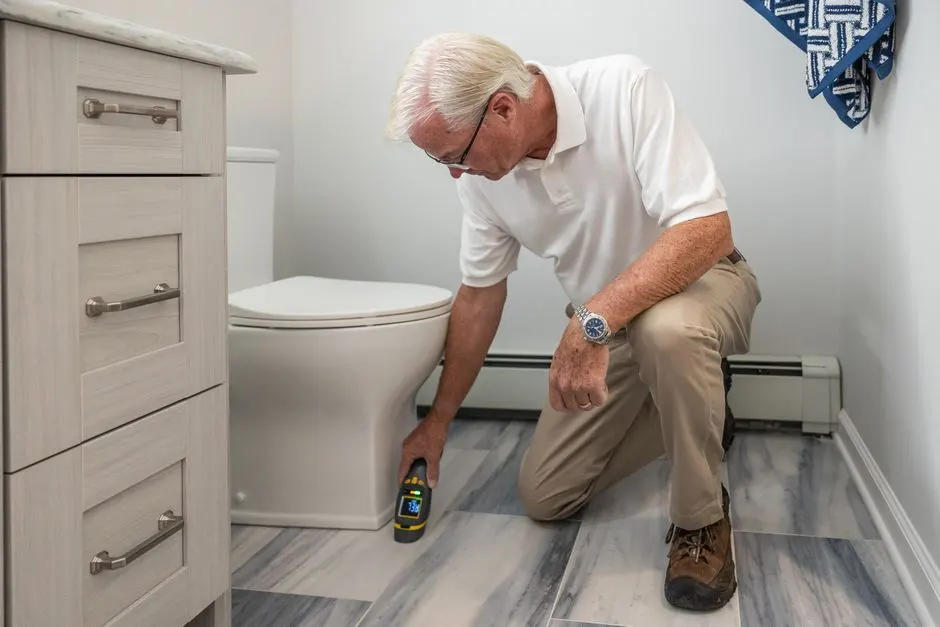
Full Visual Walk-Through
We check ceilings, walls, baseboards, supply lines, the water heater, and the crawl space or basement. This takes 15 to 20 minutes and often narrows the search before we pull out a meter.
Every inspection includes a full walk-through, instrument readings, source tracing, and a written moisture map. If you want us to handle the dry-out or repairs, we quote that separately and upfront. Here is what you get on the standard visit.
We check ceilings, walls, baseboards, supply lines, the water heater, and the crawl space or basement. This takes 15 to 20 minutes and often narrows the search before we pull out a meter.
A thermal imaging camera reads surface temperature differences to reveal hidden wet spots behind drywall, tile, and flooring. We scan every suspect wall and floor and save the images to your report.
We log moisture content in framing, drywall, and subfloor, plus ambient humidity in each room. Anything above 16 percent in wood gets flagged as wet and tracked until it hits dry standard.
Readings show where water is; we also find why. We trace leaks to failed supply lines, sump pumps, roof penetrations, or foundation cracks, and we isolate active leaks before we leave.
You get a room-by-room report with readings, thermal images, the source summary, and a recommended drying plan. It is formatted for Xactimate, so your insurance adjuster can use it as-is.
Water Damage Inspection and Moisture Detection in Ohio is a non-invasive diagnostic service that maps where water has traveled inside your building. We start with a visual walk-through, then confirm what we see with a moisture meter, thermal imaging camera, and hygrometer. A boroscope camera lets us peek inside wall cavities without cutting drywall. You get a written moisture map showing exact readings, the likely source, and the materials affected. Most homes take 60 to 90 minutes, and we hand you findings the same day.
Ohio buildings deal with water in ways other states do not. Frozen pipes split in January, basement flooding follows spring storms, and crawl space moisture sits under half the older housing stock in cities like Bedford and Ravenna. Left alone, that moisture feeds mold growth within 24 to 48 hours. We schedule affordable Water Damage Inspection and Moisture Detection in Ohio for hidden leaks, and we also handle moisture inspection services in Ohio after flooding, so you know whether your structure is actually dry or just looks dry.
No mystery, no waiting around. Here is exactly what happens from the moment you call until you have findings in hand.
Schedule
Call or book online — a real human picks up and confirms a 2-hour arrival window.
Diagnose
Licensed tech inspects on-site, then walks you through the cause and your options.
Fix
The job is completed to code and done right the first time — no shortcuts, no surprises.
Guarantee
Every job backed by a written workmanship warranty — and we stand behind it.
Thermal Imaging Camera
Reads surface temperature differences to reveal hidden wet spots behind drywall, tile, and flooring without cutting into finishes.
Pin-Type Moisture Meter
Measures moisture content in wood, drywall, and carpet. We flag anything above 16 percent in framing as wet and track it until it hits dry standard.
Hygrometer
Logs ambient temperature and relative humidity in each room, so we know whether the space will dry on its own or needs mechanical dehumidification.
Boroscope Camera
Slides into wall cavities through a small hole to confirm moisture and look for mold growth without tearing out drywall.
Truck-Mounted Water Extractor
When the inspection finds standing water, this pulls hundreds of gallons fast and starts the dry-out on the same visit.
Air Mover and Dehumidifier
Dri-Eaz and Phoenix Restoration Equipment units that dry framing and subfloor after extraction. We monitor daily until readings hold.
IICRC WRT and ASD Drying Standards
We follow IICRC water damage restoration and structural drying standards to set dry goals. That means we do not guess when a wall is dry; we compare daily readings against the dry standard for the material.
Xactimate Documentation
Every moisture map is formatted in Xactimate-friendly language with room-by-room readings and thermal images. Adjusters can drop it straight into the claim, which speeds up approvals and reduces back-and-forth.
Antimicrobial Treatment
After we map the wet zone, we apply antimicrobial solutions to affected framing and drywall edges. This slows microbial growth while the structure dries and protects the materials we are saving.
Vapor Barrier Installation
For crawl space moisture, we install a vapor barrier over the ground to cut off the moisture source. Combined with drying, it keeps joists and subfloor from pulling ground humidity back up.
01
What we do: We inspect the whole level, not just the puddle. Water travels under baseboards and into wall cavities, so we map the full wet zone with thermal imaging and a pin meter, then extract and dry everything that got hit.
→ You avoid a mold problem three weeks later and get an insurance-ready report showing exactly what was wet.
02
What we do: Damp carpet hides wet pad and subfloor. We pull readings through the carpet, check the wall base, and run a hygrometer to see if the room will dry on its own or needs air movers and a dehumidifier.
→ You know within an hour whether to run fans or call in drying equipment, and you skip the guesswork.
03
What we do: We inspect the crawl space, read joist and subfloor moisture, and trace the stain to a source. You get a written report with numbers you can use in negotiation or to plan repairs after closing.
→ You walk into the purchase knowing the real condition of the structure instead of hoping the stain was old.
04
What we do: We inspect above the ceiling, read moisture in the deck and insulation, and document the affected zone in Xactimate-friendly language. If drying is needed, we place equipment after hours so tenants are not disrupted.
→ The tenant stays open, the claim gets documented properly, and the ceiling assembly dries before mold sets in.
Ohio water damage follows the seasons. Frozen pipes split in January and February, especially in older homes in Bedford and Ravenna where supply lines run through unheated crawl spaces. Spring storms push water into basements through window wells and failed sump pumps. Summer humidity keeps crawl spaces damp, and fall rain finds every roof flashing that needs attention. Our inspection trucks carry thermal imaging cameras and pin meters tuned for this range of conditions, and we read moisture the same way whether you are in a 1920s frame house or a new build in New Albany. We also handle moisture inspection services in Ohio for commercial properties, from strip centers to small warehouses, and we schedule after-hours so tenants are not disrupted. If you need Ohio Water Damage Inspection and Moisture Detection company for mold testing, we document the affected zone and bring in IICRC AMRT-trained technicians when mold is confirmed.
Downtown Bedford
Older housing stock with stone foundations and unheated crawl spaces. We see more frozen-pipe and rim-joist moisture here than anywhere else on our route.
New Albany Business District
Newer commercial buildings with flat roofs and HVAC condensate lines. Ceiling moisture and rooftop drain leaks are the common calls here.
Ravenna's Historic Core
Century homes with plaster walls that hold moisture differently than drywall. We read plaster with a pin meter and adjust dry goals accordingly.
Circleville's Older Residential Blocks
Basement flooding after heavy rain is routine. We check sump pits, floor drains, and wall base for moisture after every storm event.
Frozen pipes in unheated crawl spaces
A split supply line can spray for hours before anyone notices. We inspect the whole run, not just the visible break, because water follows the slope of the pipe into distant wall cavities.
Spring storm basement flooding
Water enters through window wells, floor drains, and foundation cracks. Our inspection maps how far it spread under carpet and into wall base before you decide on drying.
Summer crawl space humidity
Ohio summers push relative humidity above 70 percent in crawl spaces. We read joist moisture and recommend vapor barriers when ground moisture is the source.
Fall roof and flashing leaks
Driving rain finds failed flashing and worn shingles. We trace ceiling stains back to the roof penetration so the repair targets the real entry point.
Most water damage starts quiet. By the time you see a stain or smell mold, the water has been moving for days or weeks. Here are the problems we catch before they get expensive.
Problem
That smell is mold growth feeding on hidden moisture in a wall cavity or crawl space. Ignoring it lets mold spread through framing and into living areas, and remediation costs climb fast.
Our Fix
We scan the whole structure with a thermal imaging camera and pin meter, find the wet zone, and trace it to the source. You get readings and a drying plan the same day, so mold does not get a second week to grow.
Problem
A recurring stain means the leak was never fixed, only painted over. Water keeps feeding the drywall and framing above, and eventually the ceiling sags or collapses.
Our Fix
We inspect from above and below, confirm moisture in the ceiling assembly, and trace the leak to its origin, whether that is a bathroom supply line, a roof flashing, or a second-floor drain. Then we dry the cavity and recommend the repair.
Problem
A slab leak or a failed supply line can waste thousands of gallons before it surfaces. By then, the water has soaked subfloor and framing, and you are looking at both a plumbing repair and a dry-out.
Our Fix
Our inspection uses thermal imaging and meter readings to find the wet path, and we isolate the line so the water stops. You get documentation for the plumber and for your insurance claim if the loss qualifies.
Problem
Crawl space moisture rusts fasteners, rots joists, and feeds mold under the house. Floors start to feel soft, and the repair bill moves from drying into structural carpentry.
Our Fix
We read joist and subfloor moisture with a pin meter, remove standing water, and dry the space with air movers and dehumidifiers. We also recommend a vapor barrier to keep ground moisture from coming back.
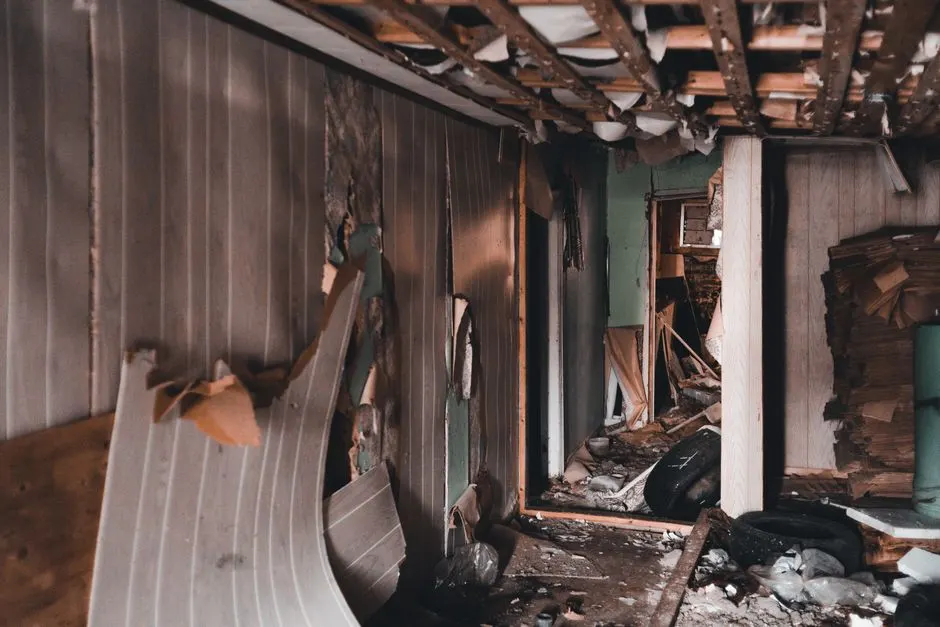
A moisture inspection answers one question: is there water where it should not be? Here is what that answer is worth to you.
Find Hidden Leaks Early
A slow supply-line leak behind a cabinet can run for weeks before it shows. Our thermal imaging camera reads temperature differences through drywall and tile, so we locate the wet spot without demolition. Catching it at this stage usually means drying instead of rebuilding, which keeps your project in the hundreds rather than the thousands.
Stop Mold Before It Spreads
Mold growth starts in 24 to 48 hours on wet drywall and framing. We take air and surface readings, flag any cavity above 16 percent moisture content, and treat affected areas with antimicrobial solutions. If mold is already present, our IICRC AMRT-trained technicians document it and bring in mold remediation chemicals where needed.
Documentation for Insurance
Carriers want proof, not a hunch. We log moisture readings room by room, photograph thermal images, and format the report in Xactimate-friendly language. That record supports your claim for burst pipes, sewage backup, or storm damage and shows the adjuster exactly which materials were wet and when.
Protect Your Resale Value
Buyers and home inspectors look hard at basements and crawl spaces. A clean moisture inspection report with dated readings gives you something concrete to hand over. For commercial properties, it satisfies due diligence and shows tenants you maintain the building. Either way, you sell or lease on facts instead of guesses.
Google ★★★★★4.9
They found a hidden leak behind our shower that two other companies missed. The thermal camera showed the whole wet path, and the report was detailed enough that our insurance approved the dry-out the same week. Professional crew, clean work.
Yelp ★★★★★4.8
Called for moisture inspection services in Ohio after a basement flood in Circleville. They showed up when they said they would, mapped the moisture room by room, and gave us a clear plan. No upselling, just facts and numbers.
BBB ★★★★★4.9
We manage commercial property in Heath and needed documentation for a roof leak claim. Their Xactimate report was exactly what the adjuster wanted. They scheduled after hours so our tenants were not disrupted. Will use again.
Google ★★★★★5.0
Frozen pipe in January soaked three rooms. Their inspection found moisture we never would have caught on our own. Dried everything in four days and the readings were logged the whole way. Honest pricing and no surprises.
Our technicians hold IICRC WRT and IICRC ASD certifications, which cover water damage restoration and structural drying science. We also carry IICRC AMRT training for mold, plus OSHA 10 and EPA Lead-Safe credentials for work in pre-1978 housing. Every inspector works under an Ohio contractors license, and we follow the Ohio Department of Health mold remediation license requirements on every job. That means we read moisture the same way an adjuster or a home inspector does, and we document it the same way. When we say a wall is dry, there is a number behind it.
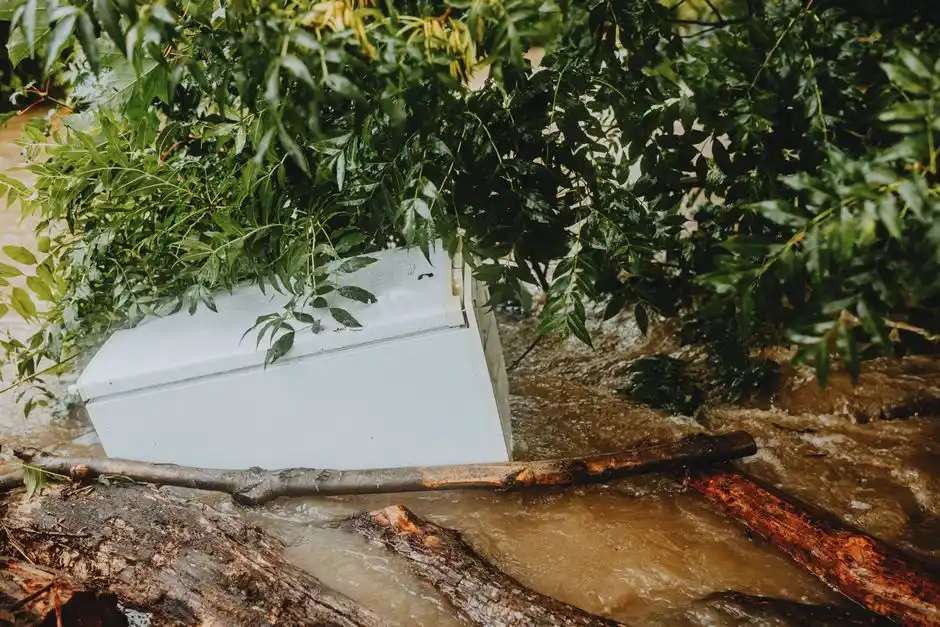
Our inspection trucks cover Ohio from the Cleveland suburbs to the Columbus ring and the smaller towns in between. We run moisture inspection services Ohio-wide, with the same meters, the same documentation, and the same same-day findings whether you are in a big suburb or a small county seat. Here are a few of the cities on our regular route.
Bedford's older housing stock means stone foundations and unheated crawl spaces. We inspect rim joists and supply lines for frozen-pipe damage and hidden moisture after every cold snap.
Circleville sees basement flooding after heavy spring rain. We check sump pits, floor drains, and wall base, then map how far water spread under carpet and into framing.
Heath's commercial and residential mix means we handle both tenant-space ceiling leaks and home crawl space moisture. We schedule after-hours for businesses so tenants stay open.
New Albany's newer builds have sealed crawl spaces and flat roofs. We inspect HVAC condensate lines, rooftop drains, and ceiling assemblies for moisture that does not show until it stains.
Ravenna's century homes have plaster walls that hold moisture differently than drywall. We read plaster with a pin meter and adjust dry goals so the structure dries without cracking.
Real experiences from customers who chose our Water Damage Inspection and Moisture Detection services.
“We had a musty smell in the basement for months and two contractors told us it was nothing. The technician found 22 percent moisture in the rim joist with a pin meter and traced it to a slow leak from the upstairs bathroom. Thermal images showed the whole path. Dried it out in four days and the smell is gone.”
Dana R.
Homeowner, Bedford
“I manage six rental units and needed moisture inspection services in Ohio for a commercial property after a tenant reported a ceiling stain. They scanned every unit, documented readings room by room, and gave me an Xactimate report my adjuster accepted without a single follow-up question. That saved me a week.”
Marcus T.
Property Manager, New Albany
“Our pipes froze last winter and we thought only one wall was wet. The inspection found moisture in three rooms we never suspected. They showed us the thermal camera screen and the numbers. We dried the whole area, and when we sold the house the inspection report came in handy.”
Karen L.
Homeowner, Ravenna
Real answers to the questions we hear most often from local homeowners and property managers.
When the inspection confirms standing water, we roll in with truck-mounted water extractors and portable pumps. Extraction starts the same visit, so your floors and subfloor are not sitting wet while you wait for a scheduled crew.
View Emergency Water ExtractionFloodwater carries silt and contaminants that a standard wet/dry vacuum will not handle. After moisture detection, we remove affected materials, apply antimicrobial solutions, and dry the structure to pre-loss readings.
View Flood Damage CleanupBasement flooding is the most common call we get across Ohio. Our inspection pinpoints whether the water came from a failed sump pump, a foundation crack, or a backed-up drain, so cleanup targets the real source instead of the puddle.
View Basement Flood CleanupFrozen pipes split in January and dump water into walls and ceilings. We inspect first to map how far the water traveled, then extract, remove wet drywall, and dry the cavity with air movers and dehumidifiers.
View Burst Pipe Water CleanupSewage backup is a Category 3 loss, which means contaminated water and a higher health risk. Our inspection documents the affected zone, and cleanup follows with antimicrobial solutions, safe disposal, and full structural drying.
View Sewage Backup CleanupAfter a storm, water comes in through roofs, windows, and failed sump pumps. We inspect the whole envelope, not just the visible puddle, then extract and dry so secondary mold growth does not take hold.
View Storm Damage Water RemovalCall our 24/7 dispatch line and a live person answers, not a machine. We schedule emergency crews around the clock and routine inspections during business hours. Whether you are in Cleveland, Columbus, Cincinnati, or a small town in between, we will get a technician moving to your address and keep you posted on the ETA.
Phone
(123) 456-7890Address
Ohio
Hours
Mon–Fri: 7AM – 7PM
Sat: 8AM – 4PM
Sun: Emergency Only
24/7 Emergency Available